Five common mistakes when stargazing in the UK and how to avoid them
You have checked the forecast, found a gap in the cloud, and carried a flask to the darkest spot you know. By rights, the sky should now deliver. Yet many first nights under the stars end in mild disappointment, and it is rarely the sky's fault. The same handful of avoidable mistakes tripped up most experienced observers when they started, and they still catch people years later. Here are the five that matter most in the UK, and how to sidestep them.
1. Underestimating light pollution
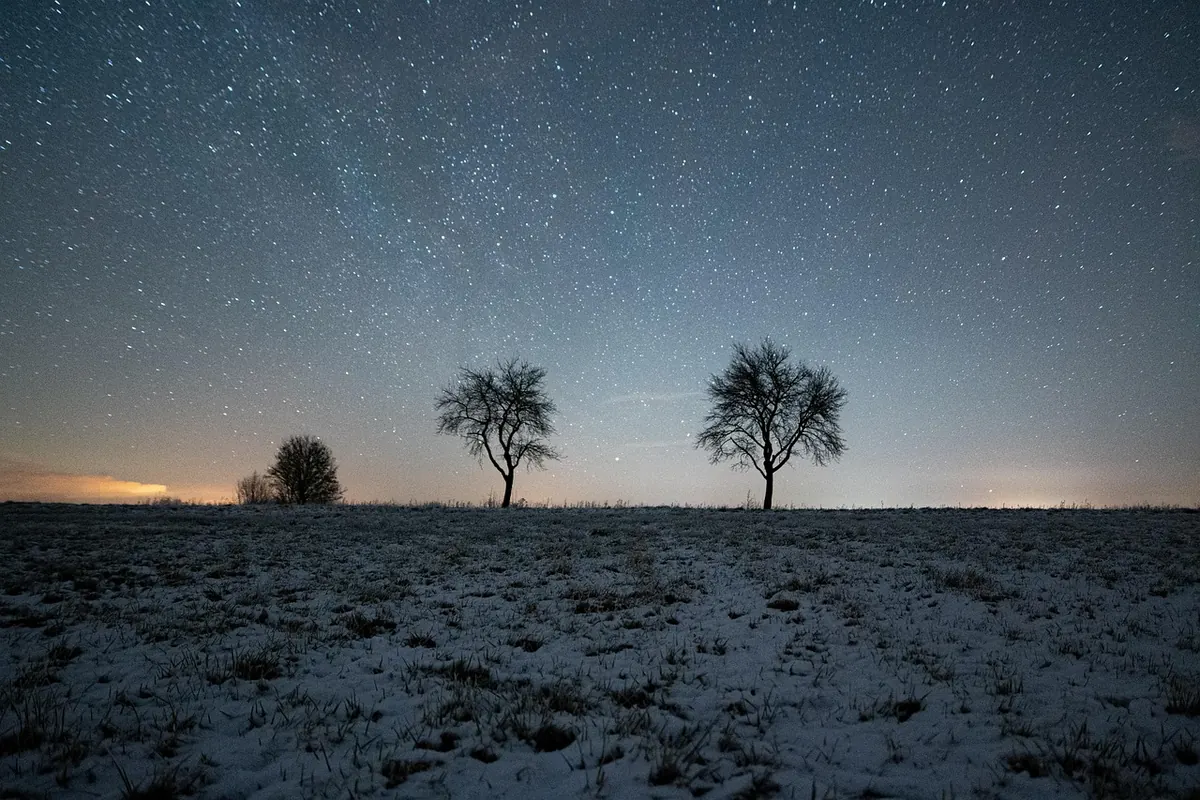
Britain is a bright country. Even a modest town can wash out the Milky Way for miles around, and the glow from a nearby city can sit on the horizon like a false dawn. The mistake is not observing under light pollution; it is expecting the same sky you saw on holiday in a dark national park.
The fix starts with honesty about your site. Look at a light pollution map before you travel, and note which direction the worst glow comes from. If you observe from a garden, the streetlamp on the corner matters more than the map suggests.
- Shield your eyes from direct light. A hood, a hand, or a piece of card held up can block a lamp without blocking the sky.
- Position yourself so that buildings, hedges or trees block the brightest horizons.
- Choose targets that tolerate light: the Moon, bright planets, double stars and open clusters all survive urban skies.
- Save faint galaxies and nebulae for a trip to a dark site, and treat those trips as occasions rather than routine.
A short drive can transform a session. Even twenty minutes away from streetlights, in a village edge or a quiet car park with permission, often reveals stars you simply could not see from home.
2. Expecting Hubble views
Photographs of galaxies and nebulae are the result of long exposures, careful processing and, often, equipment far beyond a back-garden budget. Through an eyepiece, the Orion Nebula is a soft grey-green smudge with a bright core. The Andromeda Galaxy is a faint oval. That is not a failure; it is what light that left home millions of years ago looks like when it finally lands in your eye.
Adjusting expectations changes everything. Instead of hunting for colour and detail, look for subtler rewards: the four moons of Jupiter shifting position over an evening, the phase of Venus, the double star that splits cleanly at high magnification, the craters along the Moon's terminator. These are genuinely spectacular, and they are available from most British gardens.
Half of stargazing is knowing what you are looking at. The other half is being pleased when you find it.
3. Wrecking your dark adaptation
Your eyes need roughly twenty to thirty minutes in darkness to reach their most sensitive state, and a single glance at a phone screen can undo much of that work. This is the mistake people make without noticing, and it is the easiest to correct.
Practical steps
- Turn off notifications before you go outside, and keep the phone in a pocket rather than in your hand.
- Use a red torch for charts and equipment. Red light preserves night vision far better than white.
- Dim screens to their lowest setting, or apply a red filter if your app offers one.
- Give yourself at least twenty minutes of darkness before judging the sky. What looks empty at first will fill in.
- If you must use white light, close one eye and keep it closed until the light is off again.
Binoculars help here too. They gather more light than your eyes alone, so faint objects appear sooner, and they are far more forgiving of a less-than-perfect site than a large telescope.
4. Ignoring the Moon and the weather window
A bright Moon is the most underrated spoiler in amateur astronomy. Around full Moon, the sky is washed out for faint objects, yet many newcomers plan their first serious session without checking the lunar phase at all. The Moon itself is magnificent at this time, so either observe it deliberately or plan around it.
Check moonrise and moonset alongside the cloud forecast. The best nights for deep-sky viewing are usually within a few days of new Moon, when the Moon is absent from the evening sky. In the UK, clear nights are precious enough that it pays to keep a short list of targets ready, so you can use a two-hour window rather than spend it deciding what to look at.
5. Being cold, uncomfortable and unprepared
Standing still in a field at night is far colder than the same temperature would feel on a walk. Cold hands fumble eyepieces, and a chilled observer packs up early. This is the mistake that ends more sessions than cloud does.
Dress for a temperature several degrees below the forecast, in layers, with a hat and gloves. A thermal flask, a folding chair and a small table for charts make a surprising difference to how long you stay out. Let a telescope cool to the outside temperature before you start, and keep a cloth or dew shield handy, because dew forms quickly on optics on still British nights.
Finally, tell someone where you are going if you head to a remote dark site, take a torch for the walk back, and avoid trespassing on private land, even when the sky looks irresistible.
A simple routine for your next clear night
Check the cloud forecast, the Moon phase and your light pollution map in the afternoon. Pick two or three targets you actually want to see, and write them down. Pack a red torch, warm layers, a flask and binoculars or your telescope, then give your eyes half an hour of darkness before you judge the sky. If the session is short, that is fine. A single clear hour with Jupiter in the eyepiece beats a whole evening spent fighting the wrong conditions.
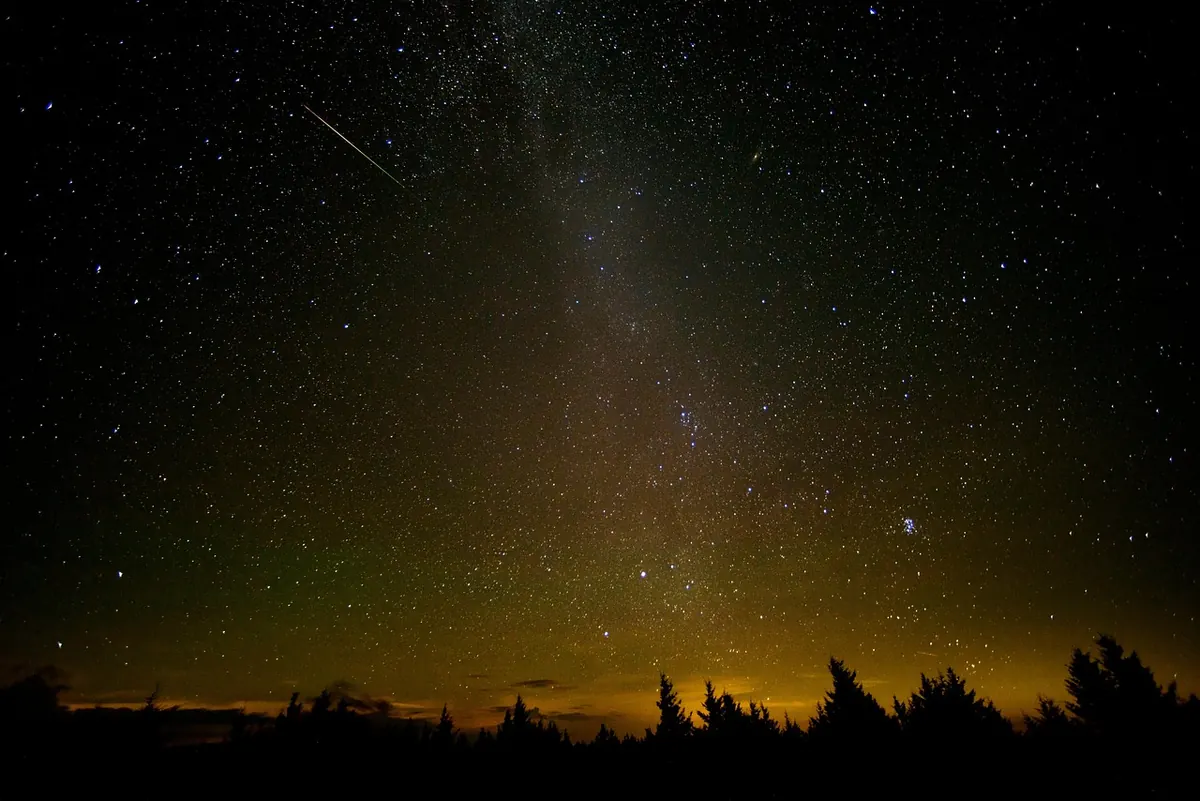
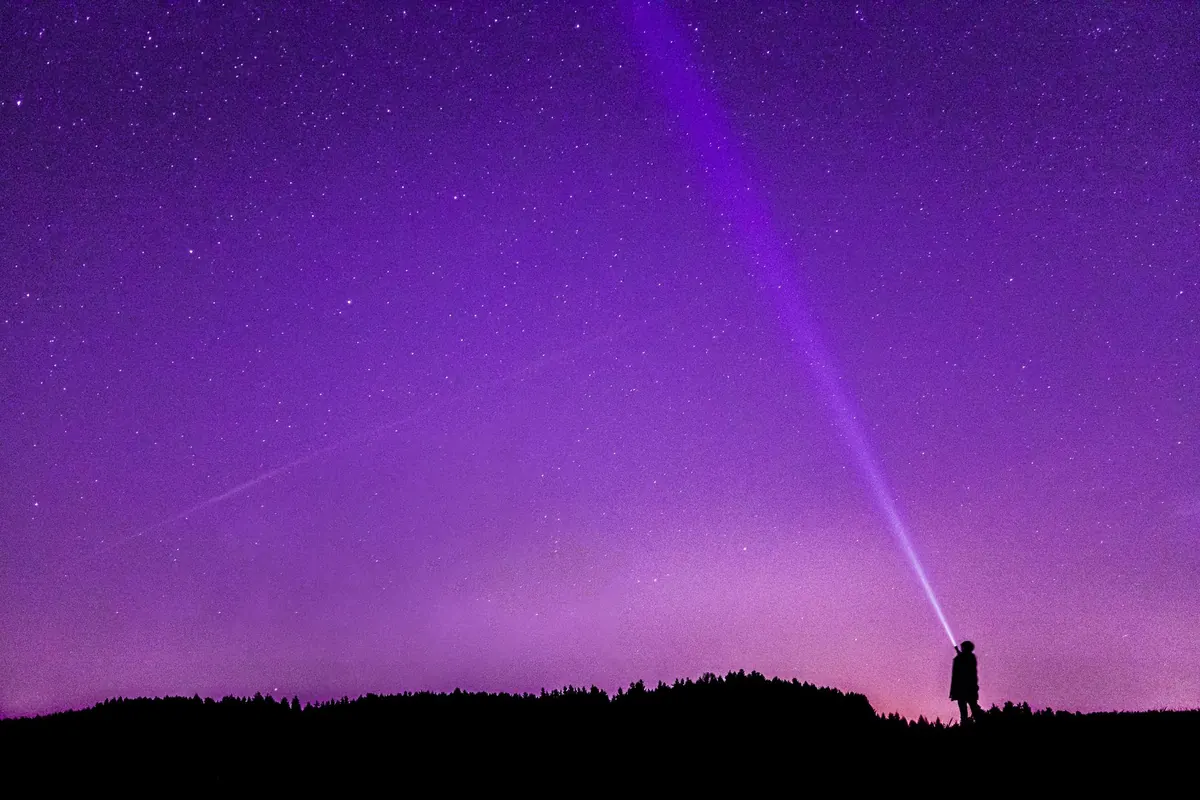
Photo: Felix Mittermeier / Pexels